23 Years, Three Countries, One Organic Farm: Meet Kabi, LBG's Head Chef
The best meals are made by people with stories. Chef Kabi has enough stories for several lifetimes — and every one of them ends up on your plate.
Origins: A Village Near Nepal's Oldest Temple
Kabi grew up in a small village near Changu Narayan — the oldest temple in Nepal, a UNESCO World Heritage Site perched on a hilltop in Bhaktapur, overlooking the Manohara River valley.
It is a fitting birthplace for a man who would spend his life feeding people. Changu Narayan is a temple of abundance — rich with carvings, history, and the communal life that surrounds any living place of worship.
From this beginning, Kabi developed what would become the through-line of his entire career: a deep respect for food as something meaningful, not merely functional.
Varanasi, India: Where the Career Began
In 1993, Kabi left Nepal for Varanasi (Banaras) in India — one of the oldest continuously inhabited cities on Earth, and the spiritual capital of Hinduism.
He joined a well-known hotel with nearly 80 rooms, working in its kitchen for five years. This was not a gentle introduction. Varanasi's hospitality industry served Indian nationals, international pilgrims, backpackers, and luxury tourists simultaneously — demanding range, speed, and quality in equal measure.
What Varanasi Gave Him
- Mastery of large-scale Indian cuisine
- Exposure to vegetarian cooking at its most sophisticated (Varanasi is a predominantly vegetarian city)
- Understanding of the spiritual dimension of food — its role in pilgrimage, community, and ritual
- The discipline that only comes from working in a busy professional kitchen from your early career
Twelve Years at Nagarkot: Watching a Mountain Town Transform
Returning to Nepal, Kabi accepted what would become the defining chapter of his early career: twelve years as head chef at a mountain resort in Nagarkot.
Nagarkot, east of Kathmandu, is famous for sunrise views of the Himalayan range — on a clear morning, guests can see from Dhaulagiri in the west to Kanchenjunga in the east.
During Kabi's twelve years, Nagarkot transformed:
| Era | Character of Nagarkot |
|---|---|
| Early career | Small hill town, thatch-roof guesthouses, simple food |
| Mid career | Growing domestic tourism, expanding menus, higher expectations |
| Later career | Full luxury hotels, international guests, sophisticated dining demand |
Kabi did not just cook through this transformation — he shaped it. As the main chef at his resort across this entire period, his menus evolved with the town.
Dubai: The Middle East and a New Perspective
After twelve years in Nepal's mountains, Kabi made the move that many of Nepal's most ambitious professionals make: he went to Dubai.
Three years in the hub of west Asia's hospitality industry gave Kabi:
- Experience cooking for some of the most discerning hotel guests in the world
- Exposure to ingredient sourcing, kitchen technology, and presentation standards that he would later bring back to Nepal
- A global perspective on what organic, high-quality food means to health-conscious international travellers
By the time he returned to Nepal, Chef Kabi had cooked for thousands of guests across three countries and 23 years. Very few chefs anywhere in Nepal carry that breadth of experience.
Arriving at Lumbini Buddha Garden
Kabi joined Lumbini Buddha Garden as Head Chef and immediately began transforming the kitchen.
What Changed Under His Leadership
- Hygiene standards overhauled across all food preparation areas
- New menu design — broader range, better balance of Nepali and international cuisine
- Organic commitment formalised — introduced systematic organic sourcing, including the resort's own farm
- Guest interaction — Kabi is unusually accessible for a head chef, often emerging from the kitchen to chat with guests about the food, its origins, and his cooking philosophy
"He has given a new face to the kitchen, designed new meals and menus, and loves offering organic products to our guests." — LBG Management
The Organic Farm at LBG
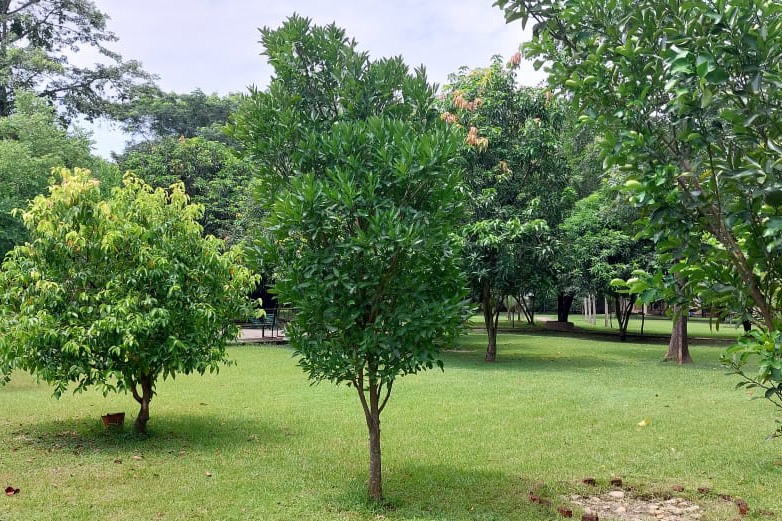
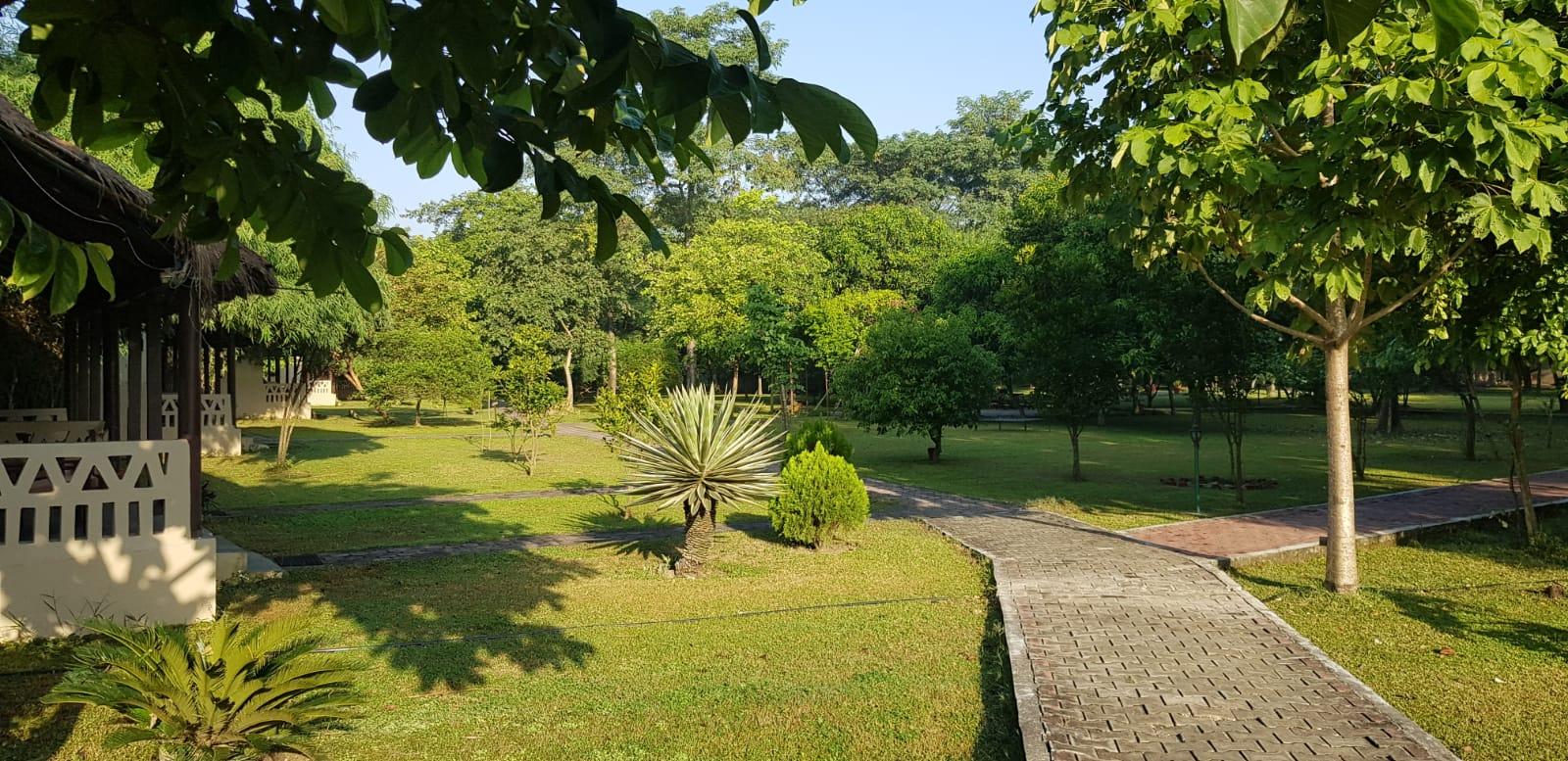
One of Kabi's most visible contributions to the resort is the on-property organic vegetable farm — which he personally manages.
What the Farm Produces
- Seasonal vegetables (tomatoes, spinach, gourds, beans, chillis, herbs)
- Aromatic herbs for cooking and garnishing
- Fruits grown within the semi-natural garden
- Ingredients that go directly from soil to guest plate — often within hours
Why This Matters
Most hotels in Lumbini source from local markets. Some source from Kathmandu. LBG sources from its own garden.
This means:
- Zero transport emissions for farm produce
- Peak-freshness nutrition — nutrients are not depleted by days of transit and storage
- Seasonal menus — what's growing determines what's served
- Traceable provenance — guests can walk to the garden and see exactly what they're eating
What's on the Menu
LBG's menu reflects Kabi's 23-year journey through different food cultures:
Breakfast
- Nepali-style set breakfast (beaten rice, eggs, seasonal fruit, tea)
- Continental options (toast, omelettes, fresh juice)
- Organic porridge with garden herbs
Lunch & Dinner
- Nepali Dal-Bhat-Tarkari — the national dish, made with organic farm vegetables
- Thukpa and noodle dishes — reflecting the diverse influences of Nepal's regions
- Indian subcontinent favourites — informed by Kabi's Varanasi years
- International dishes — pasta, grilled protein, salads, for guests preferring Western food
- Vegetarian and vegan options always available
Beverages
- Fresh fruit juices from the garden
- Nepali masala tea
- A full bar menu (see: Sunil the Bartender)
👉 Read about our restaurant | View accommodation options
FAQs About Dining at Lumbini Buddha Garden
Is the food at LBG suitable for vegetarians and vegans? Yes. Given LBG's location near Buddhist and Hindu pilgrimage sites, vegetarian and vegan guests are very well catered for. The organic farm produces a wide range of plant-based ingredients. Please inform the team of specific dietary requirements at booking.
Can guests visit the organic farm? Yes — Kabi welcomes curious guests to the farm area. Ask at the front desk to arrange a short visit.
Does LBG cater for guests with food allergies? Yes. Please communicate allergies and dietary restrictions at the time of booking and remind the kitchen team on arrival. Kabi takes food safety seriously.
Are meals included in the room rate? Breakfast is included in most room rates. Lunch and dinner are available at the resort restaurant. Confirm inclusions at booking or by emailing info@lumbinibuddhagarden.com.
What is the specialty dish at LBG? The organic Dal-Bhat-Tarkari — Nepal's national meal made with vegetables from the resort's own garden — is consistently praised by guests as one of the best they have eaten in Nepal.
Posted by LBG Management · Originally published 2018 · Expanded and updated 2025