Nepal's Ecolodge in the True Sense: How Lumbini Buddha Garden Treats Nature as Infrastructure
Many hotels call themselves eco-friendly. Very few have 30 groundwater recharge wells, a phytoremediation wastewater system, a composting programme, and a no-spray chemical policy. This is what genuine environmental commitment looks like at a Lumbini resort.
Why This Matters: The Lesson the Pandemic Taught
COVID-19 was, among many other things, a reminder that human systems — economic, social, physical — are embedded within natural systems, not separate from them.
At Lumbini Buddha Garden, this was not a new lesson. The resort's founders built their environmental philosophy into the property from the beginning. But the pandemic made it worth articulating clearly: this is not greenwashing. This is a resort that has been operating with genuine environmental seriousness for years — before it was fashionable, and with no audience to perform for.
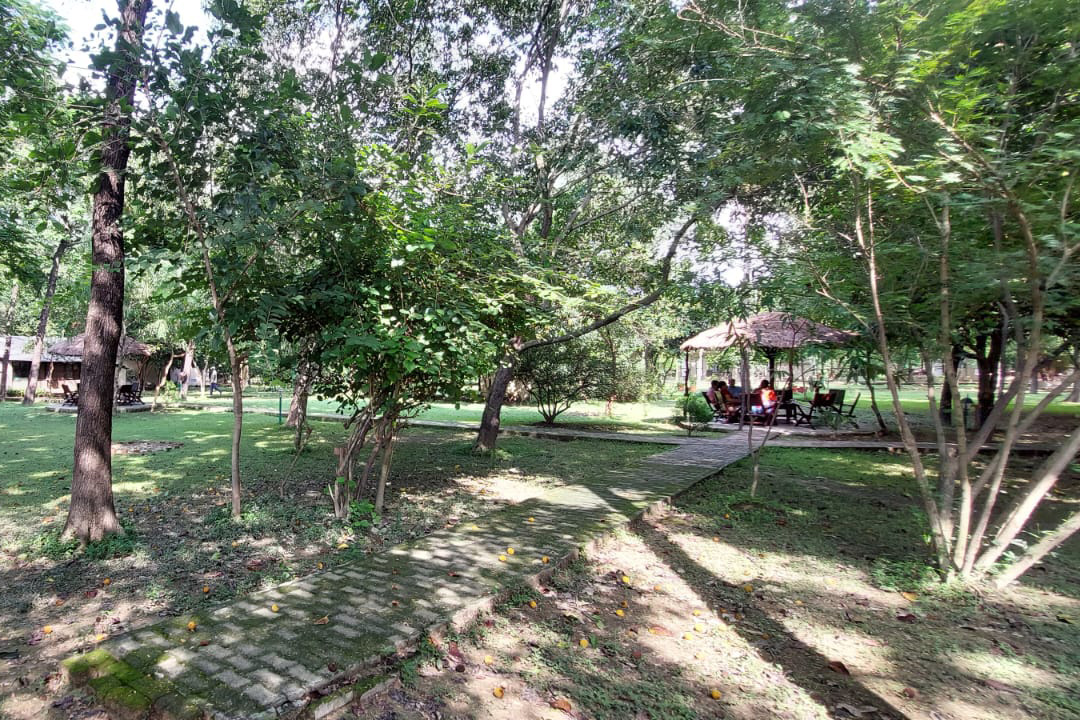
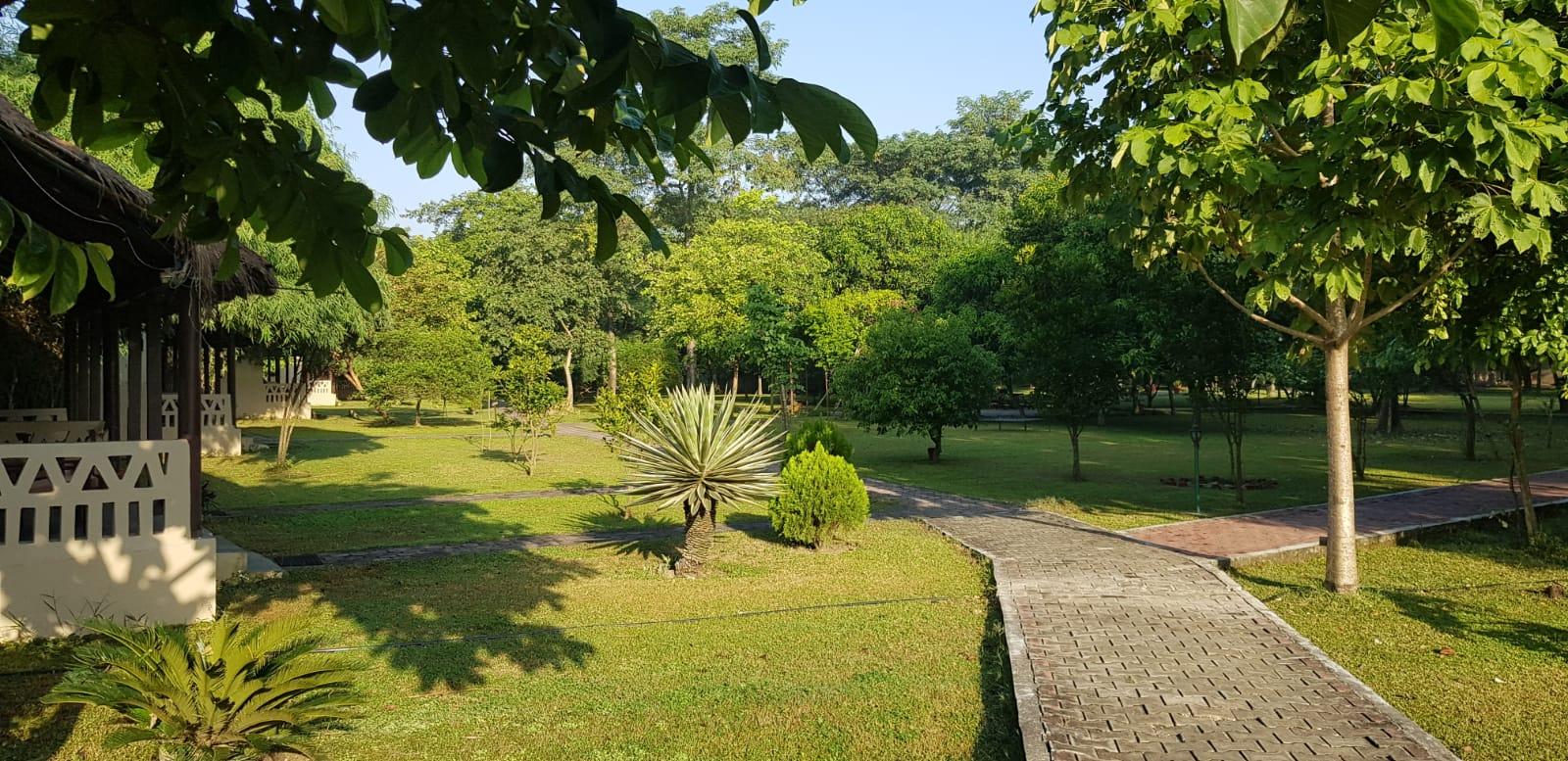
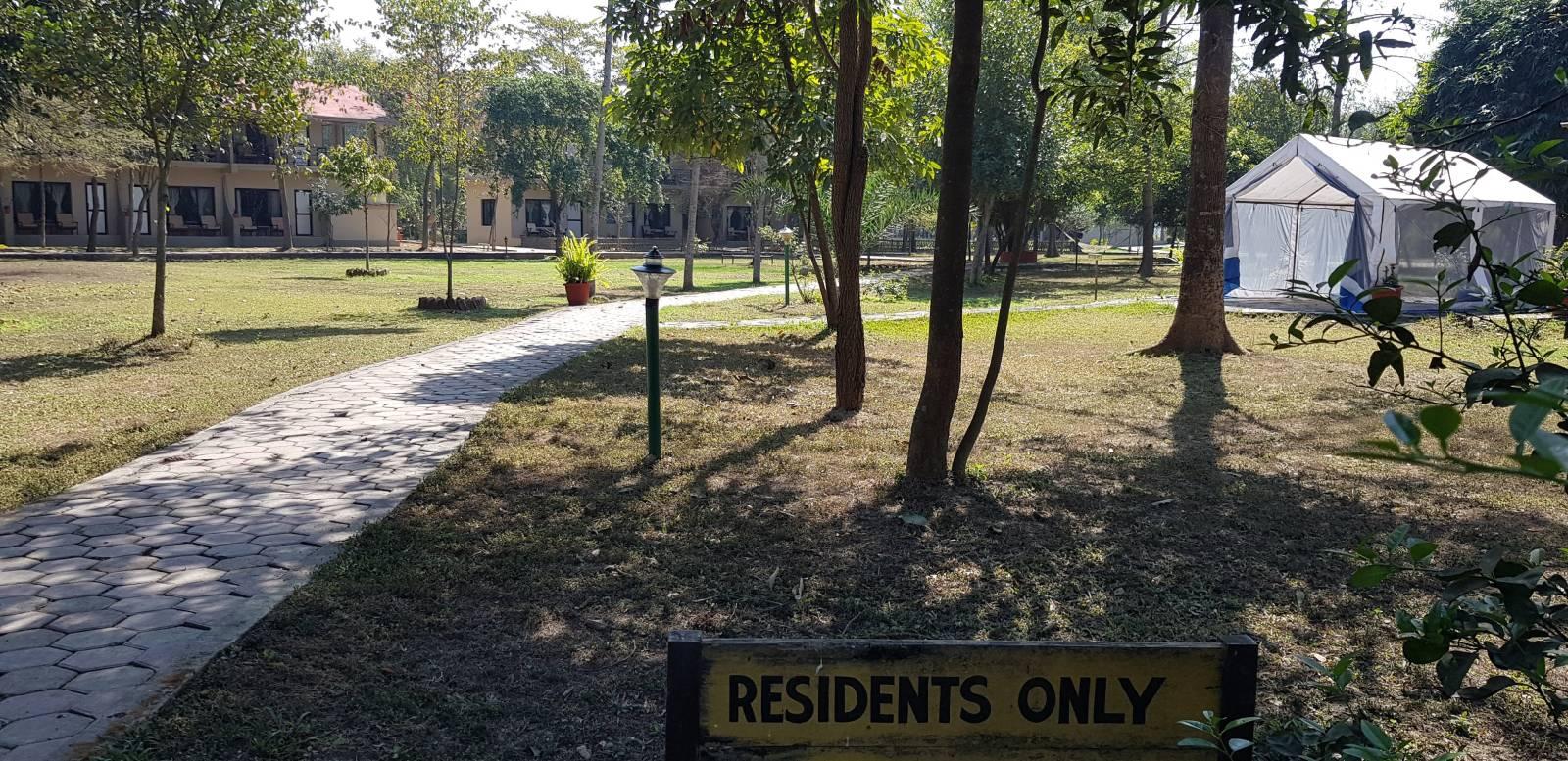
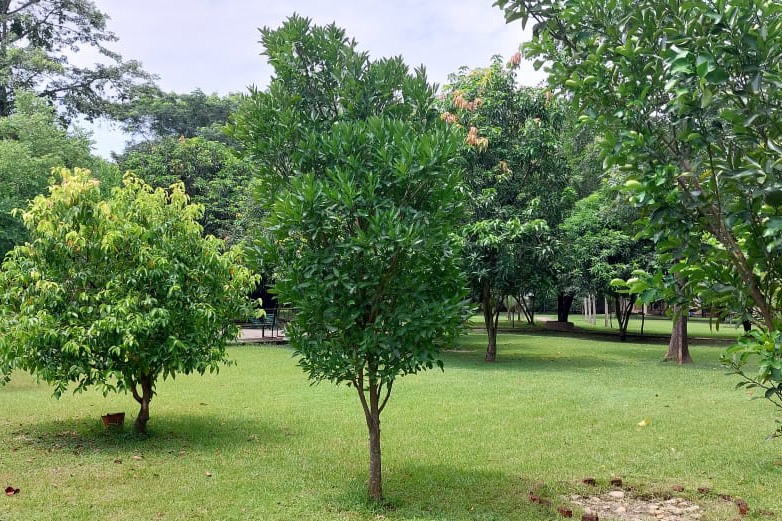
The Living Landscape: LBG's Semi-Natural Garden
The starting point for understanding LBG's ecology is the garden itself.
By the Numbers
- Largest semi-natural garden among hotels in Lumbini
- 300+ flowering plant species across the grounds
- 200+ bird species recorded on or near the property
- Multiple waterholes providing year-round wildlife water access
- Mature trees planted specifically to attract and support bird species
What "Semi-Natural" Actually Means
The term distinguishes LBG from two extremes: the manicured ornamental hotel garden (aesthetically designed, ecologically sterile) and the entirely unmanaged scrubland (ecologically rich, practically unusable).
LBG's approach is deliberate partial management:
- Some areas are planted, maintained, and cultivated (organic farm, guest areas, paths)
- Other areas are allowed to develop natural structure — scrub, grassland, waterhole margins
- Planting decisions are made with wildlife value as a primary criterion alongside aesthetics
The result is a property that functions simultaneously as a hotel garden and a wildlife reserve.
Water: Groundwater Recharge and Wastewater Treatment
LBG's water management programme is, by Nepal hotel standards, extraordinary.
Groundwater Recharge: 30 Wells
LBG claims to be the first hotel in Nepal to implement a systematic groundwater recharge programme.
The system consists of 30 shallow recharge wells distributed across the property:
- Each well: 6 feet deep, 4 feet wide
- Filled with gravel and sand mixture
- Designed to slow surface runoff and direct rainwater into the soil profile
One large pond (150ft × 70ft) serves as the primary recharge reservoir — accumulating rainwater and allowing it to percolate into the groundwater table while simultaneously serving as wildlife habitat.
"We are the first hotel in Nepal who are following such innovative environmental concern."
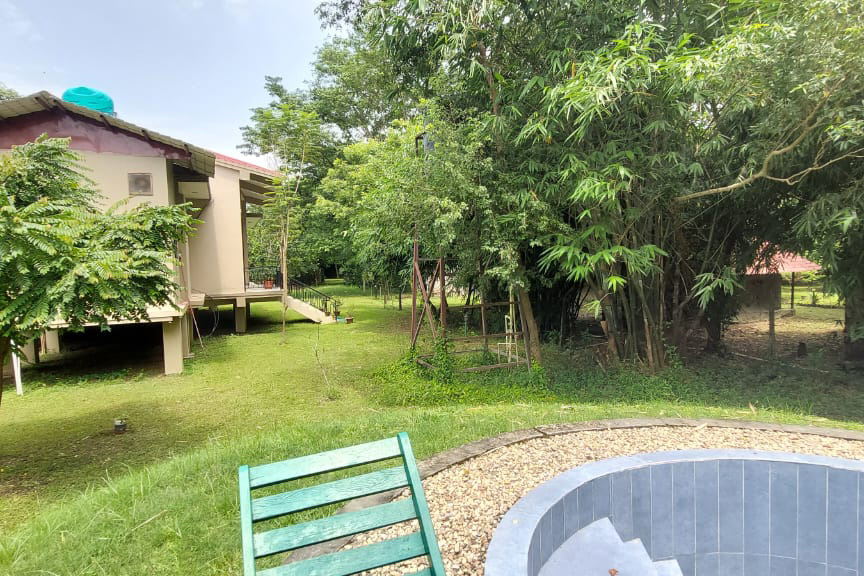 LBG's largest recharge pond — simultaneously a water management system and a wildlife resource.
Wastewater Treatment: Phytoremediation
Kitchen and bathroom greywater at LBG is processed through:
- Fat traps — removing kitchen grease and solids
- Soaking pits — allowing water to filter through soil
- Sand/gravel/charcoal filtration — mechanical removal of suspended particles
- Phragmites reed bed — phytoremediation, using common reed to biologically treat water above ground
This is a wetland treatment system — the same principle used in constructed wetland sewage treatment plants in Europe and North America. For a resort in Lumbini, it represents a remarkable level of environmental engineering.
Waste: From Kitchen Scraps to Garden Fertility
The Composting System
LBG's organic waste management closes the loop between dining table and garden:
- Biodegradable waste collected from kitchen and guest areas
- Leaf litter collected across the property (substantial, given the mature tree cover)
- Combined in five large natural composting pits operating in rotation
- Each pit given sufficient time to fully decompose before being emptied
- Finished compost applied to the organic farm's vegetables, fruits, and trees
- Those farm products served to guests at the resort restaurant
This is a genuine circular system: guests eat, guests produce waste, waste becomes compost, compost grows food, food is served to guests.
Solid Waste
- Non-biodegradable waste is sorted and managed through appropriate disposal channels
- No burning of waste on the property (a common but environmentally damaging practice in rural Nepal)
Chemicals: A Zero-Tolerance Policy
LBG's chemical use policy is unambiguous:
- Zero use of persistent synthetic pesticides in outdoor areas
- When indoor use is unavoidable (e.g., for specific pest control), short-chain, rapidly-degrading compounds only
- Bio-pesticides preferred wherever effective alternatives exist
- No chemical treatment of garden soil
The conservation significance of this policy extends beyond the property. Persistent pesticides — particularly organochlorines — accumulate up the food chain. Their impact on raptors, including several of the threatened vulture species that regularly appear over LBG, has been devastating across South Asia.
A no-spray policy in the resort's semi-natural grounds creates a chemical-free refuge within a wider agricultural landscape where pesticide use is widespread.
The Organic Farm: Food That Nourishes Twice
Under Chef Kabi's management, LBG's organic farm is both a food production system and an environmental asset.
What It Produces
- Seasonal vegetables for the resort restaurant
- Herbs for cooking and garnishing
- Fruits from trees planted throughout the garden
Why "Organic" Here Is Not a Label
Many restaurants use the word organic as a marketing term applied to purchased ingredients of uncertain provenance. At LBG, organic means:
- Grown on the property
- No synthetic pesticide or fertiliser input
- Nourished by the resort's own compost
- Harvested and served on the same day
This is provenance that can be physically verified by any guest who asks to visit the farm.
Community and Charity
LBG's environmental commitment extends to social responsibility:
Supported Organisations
- Himalayan Nature — Nepal's leading conservation NGO, founded by Dr. Hem Sagar Baral; focused on bird conservation, research, and community engagement
- AutismCare Nepal Society — supporting families and individuals affected by autism spectrum conditions in Nepal
Local Employment
The resort prioritises local employment — staff from the surrounding Lumbini region, trained in-house to the standards that have generated LBG's reputation.
Why Post-Pandemic Travel Makes LBG More Relevant
The pandemic accelerated several travel preferences that LBG was already built around:
| Post-Pandemic Travel Preference | How LBG Delivers |
|---|---|
| Outdoor space and fresh air | Extensive semi-natural garden; outdoor dining |
| Individual accommodation | Separate cottage-style rooms; privacy within grounds |
| Nature immersion | 200+ bird species; organic garden; wildlife habitat |
| Authentic food provenance | On-property organic farm; no supply chain uncertainty |
| Low-density accommodation | Resort character vs. high-rise hotel density |
| Meaningful travel | UNESCO World Heritage Site proximity; conservation mission |
"Ours is more than a hotel. We are nature-lovers, and respect environmental conservation."
FAQs: Eco-Friendly Travel and LBG's Sustainability Practices
What makes LBG different from other "eco hotels" in Nepal? Most eco-labelled hotels in Nepal rely on cosmetic measures (solar panels, recycling bins, reusable bottles). LBG's programme includes infrastructure-level environmental investment: 30 groundwater recharge wells, a constructed wetland wastewater treatment system, a five-pit composting rotation, and a no-spray chemical policy — all verifiable on-site.
Can guests visit the environmental infrastructure? Yes — guests are welcome to ask the management team for a tour of the composting system, organic farm, recharge wells, and the phytoremediation reed bed. This is not hidden; it is something the resort is genuinely proud of.
Does LBG use solar energy? The current environmental focus is on water management, waste, and habitat. Energy systems are under ongoing development. Ask the management team for the current status.
Is LBG certified by any eco-tourism body? LBG's practices exceed the requirements of many eco-certification schemes. The management team can provide information on current certifications and applications.
Can I offset my travel carbon by staying at LBG? While we cannot offer formal carbon offsetting, staying at a resort that is actively sequestering carbon through its garden plantings, protecting habitat from degradation, and operating a closed-loop organic waste system is a meaningful environmental choice. Supporting properties like LBG sends a market signal that serious environmental practice is valued.
👉 View our accommodation options | Read about our Natural History Tour | Contact us
Posted by LBG Management · Originally published 2020 · Substantially updated and expanded 2025
APPENDIX: Image Placeholder Reference
Each blog post above includes image placeholder notes. Use the following guide when uploading to the CMS:
| Post | Recommended Images |
|---|---|
| Post 1 (Sunil) | Portrait of Sunil at bar; bar area photo |
| Post 2 (102 Species) | Sarus Crane; Spotted Eagle; garden bird in flight |
| Post 3 (Susobhan) | Portrait of Susobhan; resort management area |
| Post 4 (Chef Kabi) | Kabi in kitchen; organic farm; meal presentation |
| Post 5 (Six Years) | Sacred Garden ponds; waterbird count group photo |
| Post 6 (Family) | Family in garden; fireflies (if available); children exploring |
| Post 7 (Australians) | Campfire in garden; group outdoor dining |
| Post 8 (Festivals) | Festival decorations in garden; Buddha Jayanti at Lumbini |
| Post 9 (Winter) | Winter morning mist; raptor soaring; garden in cool light |
| Post 10 (School) | Students at Maya Devi Temple; school group in garden |
| Post 11 (Carol Inskipp) | All four original Inskipp photos (lbg-blog-1 through 4) |
| Post 12 (Ecolodge) | Recharge pond; compost pits; organic farm; phytoremediation reed bed |
All images currently hosted at lumbinibuddhagarden.com/public/upload/editor/images/ should be migrated to the new Next.js /public/images/blog/ directory with descriptive filenames and alt text as shown in each post.
Document prepared for Lumbini Buddha Garden website redesign — June 2025 12 posts · Fully rewritten with SEO structure · Internal links to all major site pages