A Place Like No Others in Lumbini: One Family's Three-Night Stay (That Was Only Supposed to Be One)
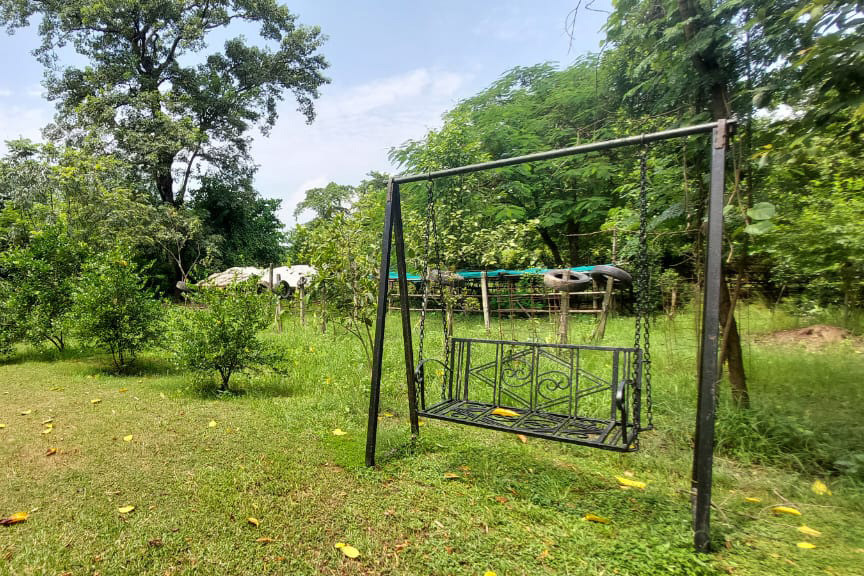
The best review any hotel can receive is not five stars on a booking platform. It's an eight-year-old who refuses to leave.
The Plan: One Night in Lumbini
The family arrived with a simple itinerary: one night in Lumbini before continuing their Nepal journey. They had booked based on recommendations, without high expectations — Lumbini is, for many travellers, a transit point rather than a destination.
Lumbini Buddha Garden changed that assumption within the first hour.
What They Found: Nature as Architecture
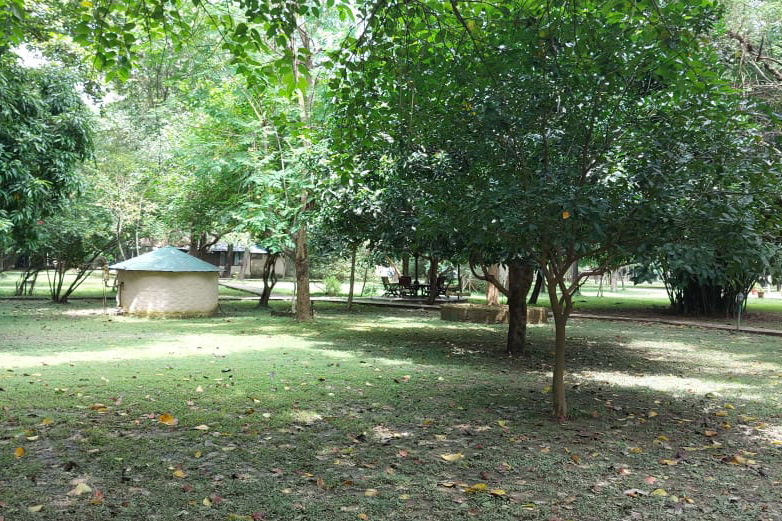
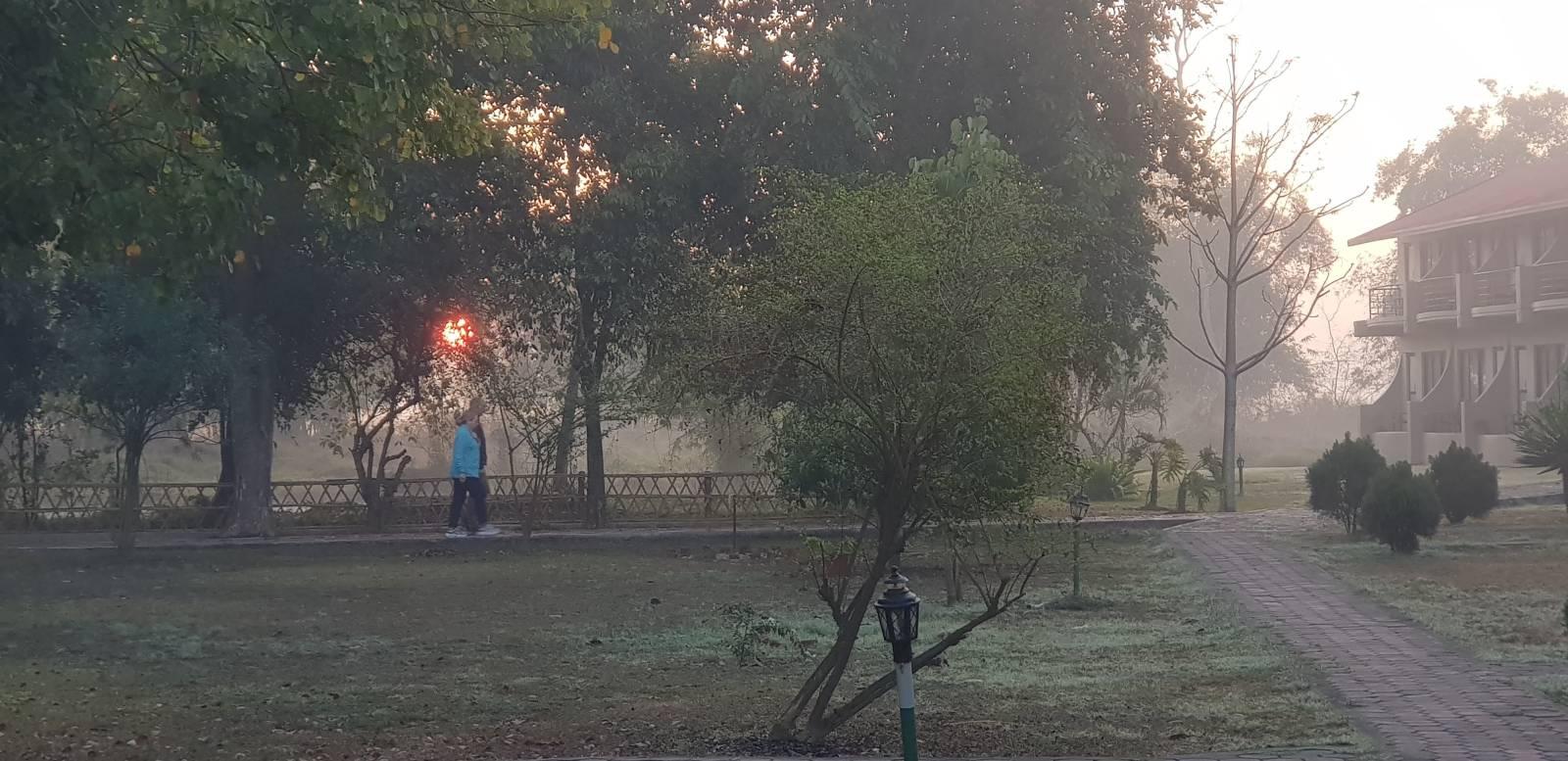
The most striking quality of LBG for first-time visitors is one that photographs struggle to capture: the sense that nature has been allowed to shape the space, rather than the other way around.
The Garden
- Over 300 species of flowering plants within the semi-natural grounds
- Mature trees planted and managed to attract birds
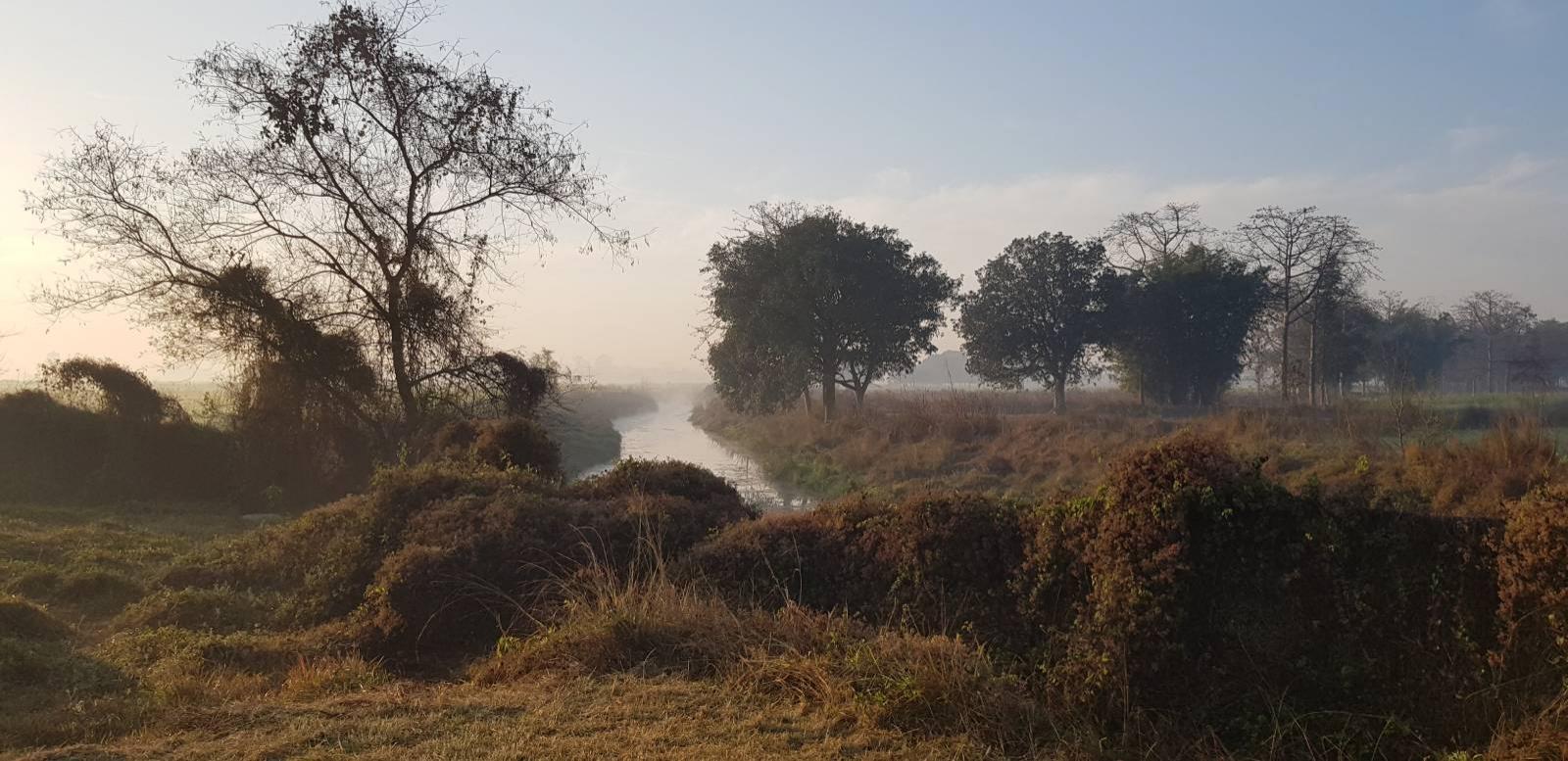
- Waterholes that support both resident and migratory wildlife
- Walking paths that wind through habitat rather than concrete
The Accommodation
Since the reviewer's last visit, additional rooms had been built — approximately a dozen new cottages integrated into the grounds. Critically:
- Individual cabin-style accommodation — each unit separated from neighbours by vegetation
- Privacy within the garden — guests do not see or hear each other from their rooms
- Natural ventilation — the mature garden creates a microclimate noticeably cooler than the open town
"Nature was still in the centre of the development. The place is still like no others at Lumbini."
What the Eight-Year-Old Saw
Children, unlike adults, have not yet learned to manage their enthusiasm. The reviewer's eight-year-old daughter experienced LBG as it deserves to be experienced: without filters.
What Captured Her Attention
- Fireflies — emerging at dusk from the garden undergrowth, an experience many adults have never had
- Birds — in numbers and variety that no city child encounters
- Monkeys — Terai Grey Langur and Rhesus Macaque moving through the garden trees
- The Nilgai (Blue Bull) — Asia's largest antelope, visible on the farmland margins
- The space itself — room to run, explore, discover, without being hemmed in by roads, walls, or warning signs
This is the kind of nature immersion that natural history programmes are designed to provide — available simply by being at the resort.
Three Nights Instead of One: Why They Extended
The decision to extend was not difficult. The daughter made it.
But adults have their own reasons. This reviewer articulates what many repeat guests feel:
The specific quality LBG offers is not luxury in the conventional sense — it is something rarer. It is a place where:
- The outside world genuinely recedes
- Time moves at a pace that feels natural rather than enforced
- Each morning brings something new — a bird, a flower, a quality of light through the trees
- The staff seem to genuinely enjoy being there, which communicates itself to guests
What Makes LBG Different from Other Lumbini Hotels
Lumbini has a range of accommodation options, from basic guesthouses to newer mid-range hotels. Here is how LBG compares across key dimensions:
| Factor | Typical Lumbini Hotel | Lumbini Buddha Garden |
|---|---|---|
| Garden / grounds | Minimal or decorative | Extensive semi-natural habitat |
| Wildlife access | None | 100+ bird species, mammals |
| Room privacy | Shared walls, shared views | Individual cottages in garden |
| Food quality | Variable, standard menu | Organic farm-to-table |
| Staff knowledge | Standard hotel service | Nature-informed, personally engaged |
| Repeat visit rate | Average | Very high (multiple 5–7 time returners) |
| Atmosphere | Hotel | Retreat |
Family Travel Tips for Visiting Lumbini
For families planning to include Lumbini Buddha Garden in a Nepal itinerary:
Before You Arrive
- Book at least 3 nights minimum — one to arrive and settle, one for the Lumbini cultural sites, one purely for the resort itself
- Bring binoculars, even a cheap pair — children with binoculars in a garden like this are occupied for hours
- Pack light layers — mornings and evenings are cool; afternoons in the Terai can be warm
During Your Stay
- Ask the management team about the best walking trails for children
- Take the early morning garden walk before breakfast — the bird activity peaks before 8am
- Ask Kabi the chef if your children can visit the organic vegetable garden
- Spend at least one evening watching for fireflies from the terrace
Day Trips Within Reach
- Maya Devi Temple and the Sacred Garden — 30 min drive; suitable for all ages
- Lumbini Museum — excellent for children interested in history
- Jagdishpur Reservoir — 90 min; outstanding for wildlife; recommend half-day trip
FAQs: Family Stays at Lumbini Buddha Garden
Is LBG suitable for young children? Yes. The individual cottage layout, spacious grounds, and absence of road traffic within the property make it particularly safe and enjoyable for children. The garden's wildlife provides natural entertainment.
Are there activities for children at LBG? The garden itself is the primary activity — bird spotting, nature walking, and the discovery of fireflies, butterflies, and small wildlife. Day excursions to the Lumbini Sacred Sites and Jagdishpur Reservoir can be arranged through the management team.
What is the minimum recommended stay for a family? We recommend 2–3 nights minimum to fully appreciate the resort and its surroundings. Many families extend beyond their original booking, as this reviewer did.
Is the food child-friendly? Yes. Chef Kabi's kitchen accommodates children's preferences. Simple, fresh meals — including organic vegetables from the farm — are available. Please mention any allergies or dietary requirements at booking.
👉 View our Cottage Room | View the Cultural Tour package
Guest contribution · Updated and expanded 2025