"It Was Beautiful": A Student's Account of Visiting Lumbini — and Staying at LBG
Before going, they didn't know what to expect. Afterward, they didn't want to leave. This is Lumbini through a student's eyes.
The School Trip to Lumbini
A group from St Joseph's School travelled to Lumbini for a class visit — one of the most significant UNESCO World Heritage Sites in South Asia and the definitive pilgrimage destination for Buddhists worldwide.
Before arriving, the student's concern was practical: Where would they eat? Where would a large school group rest?
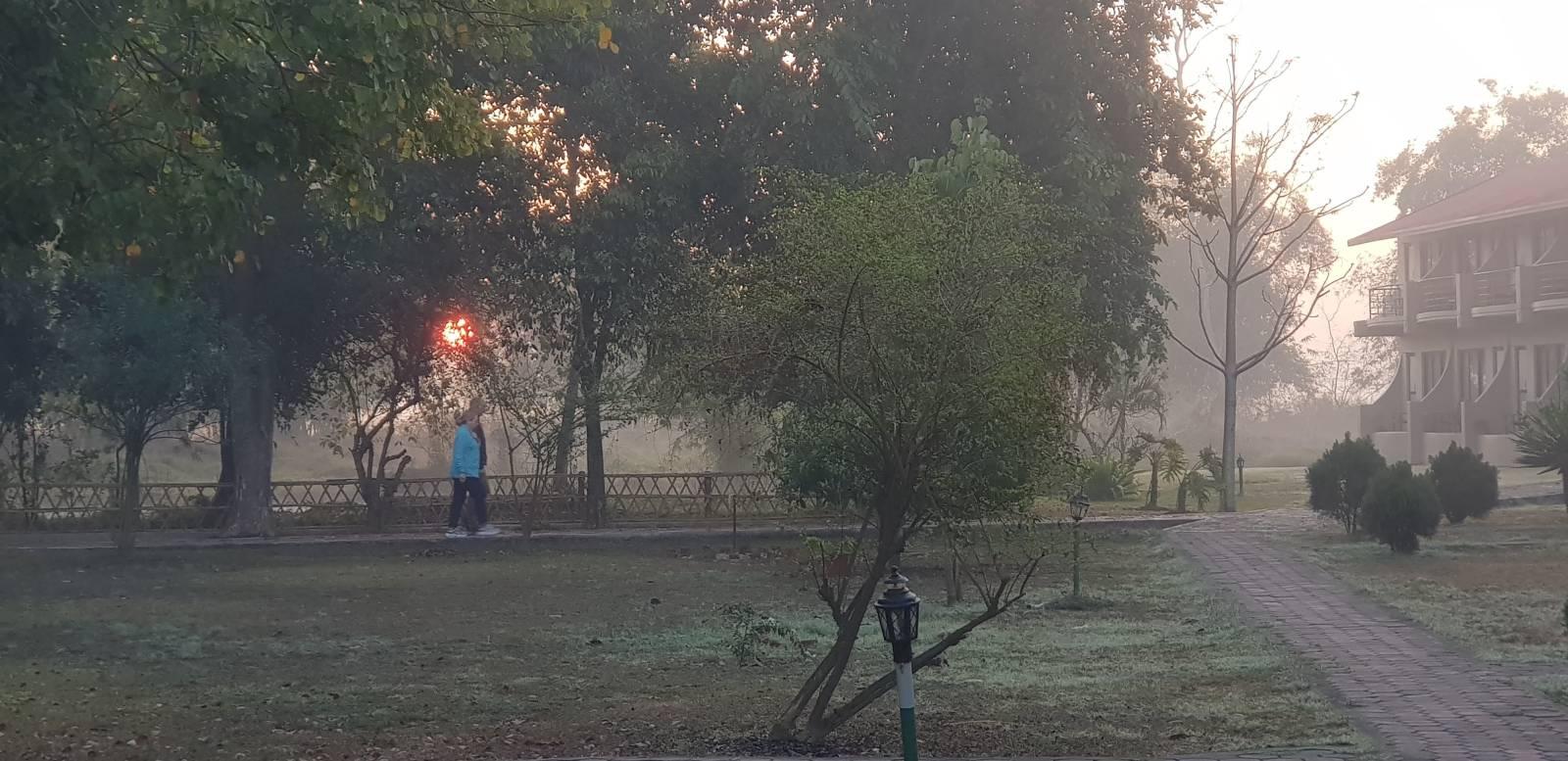
The answer to both, as it turned out, was Lumbini Buddha Garden.
What Made the Accommodation Work for a Large Group
LBG's property layout is naturally suited to school and institutional groups:
- Multiple cottage and room configurations accommodate different group sizes and sleeping arrangements
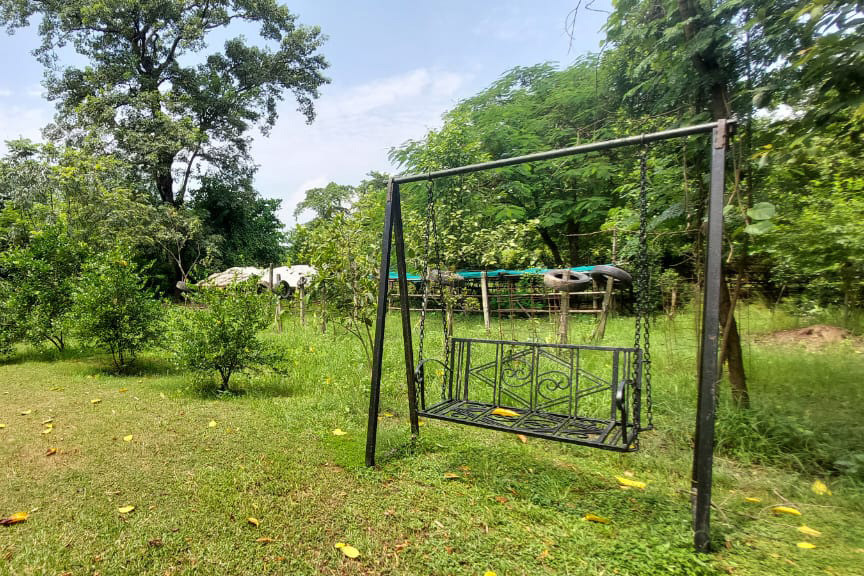
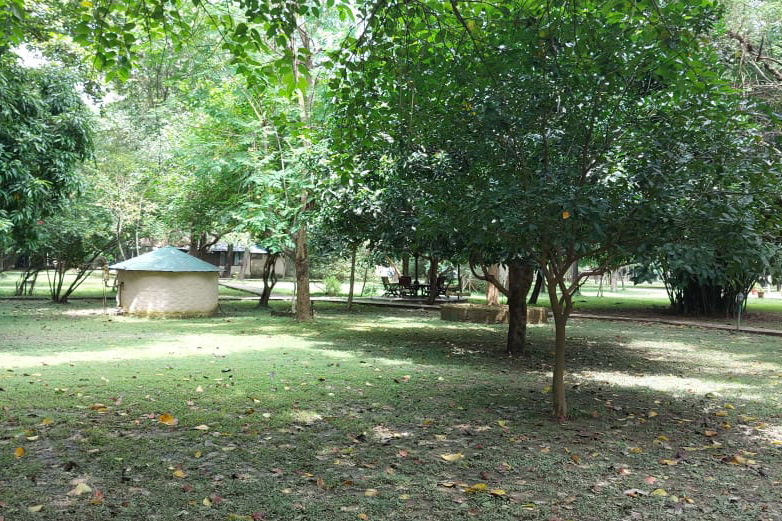
- Large outdoor spaces mean groups are not confined to corridors or small lobbies
- Dedicated dining capacity supports simultaneous meals for large groups
- Garden space provides safe, supervised outdoor activity areas
The management team's experience hosting conservation workshops, birdwatching groups, and tour parties means they are comfortable with the logistics of group stays.
The Student's First Impressions of the Sacred Sites
Arriving at the Lumbini Sacred Garden, the student describes what many visitors feel on their first visit: a sense that this place carries a particular weight of history.
"It was beautiful to see the area where Lord Buddha was born and all the other temples we visited around were also very beautiful."
What the Lumbini Sacred Garden Contains
- Maya Devi Temple — built over the exact site where Queen Mayadevi gave birth to Siddhartha Gautama approximately 2,600 years ago
- The Sacred Pond (Puskarini) — where Mayadevi is believed to have bathed before giving birth
- Ashoka Pillar — erected by Emperor Ashoka in 249 BCE, confirming Lumbini as the birthplace of the Buddha
- The Sacred Garden — the ancient grove, now preserved as a UNESCO World Heritage landscape
- The Eternal Peace Flame — the flame that has burned continuously since 1986
- International Monastery Zone — dozens of monasteries built by Buddhist nations; each architecturally distinct
What Students Learn at the Birthplace of the Buddha
A visit to Lumbini delivers learning that no classroom can replicate:
History
- The life of Siddhartha Gautama — from birth in the garden to enlightenment under the Bodhi tree
- The role of Emperor Ashoka in spreading Buddhism across Asia
- The Silk Road and the spread of ideas across civilisations
Geography
- The Terai lowlands of Nepal — their ecology, significance, and communities
- The relationship between South and East Asia through Buddhist cultural exchange
Comparative Religion and Culture
- The variety of Buddhist traditions represented in the international monastery zone — Theravada, Mahayana, Vajrayana
- The shared roots of India and Nepal's spiritual heritage
Conservation
- The ecology of the Terai lowlands
- Why wetlands like the Sacred Garden ponds are critical wildlife habitat
Educational Value: Why Lumbini Is an Ideal School Excursion Destination
| Subject Area | Learning Opportunity at Lumbini |
|---|---|
| History | 2,600 years of documented history from a single site |
| Religion | Buddhism from its birthplace; interfaith comparison |
| Art | Buddhist iconography and architecture across 20+ traditions |
| Ecology | Terai wetland biodiversity; birdwatching |
| Geography | Himalayan watershed, Indo-Gangetic Plain, Nepal's regions |
| Culture | Living pilgrimage tradition with millions of annual visitors |
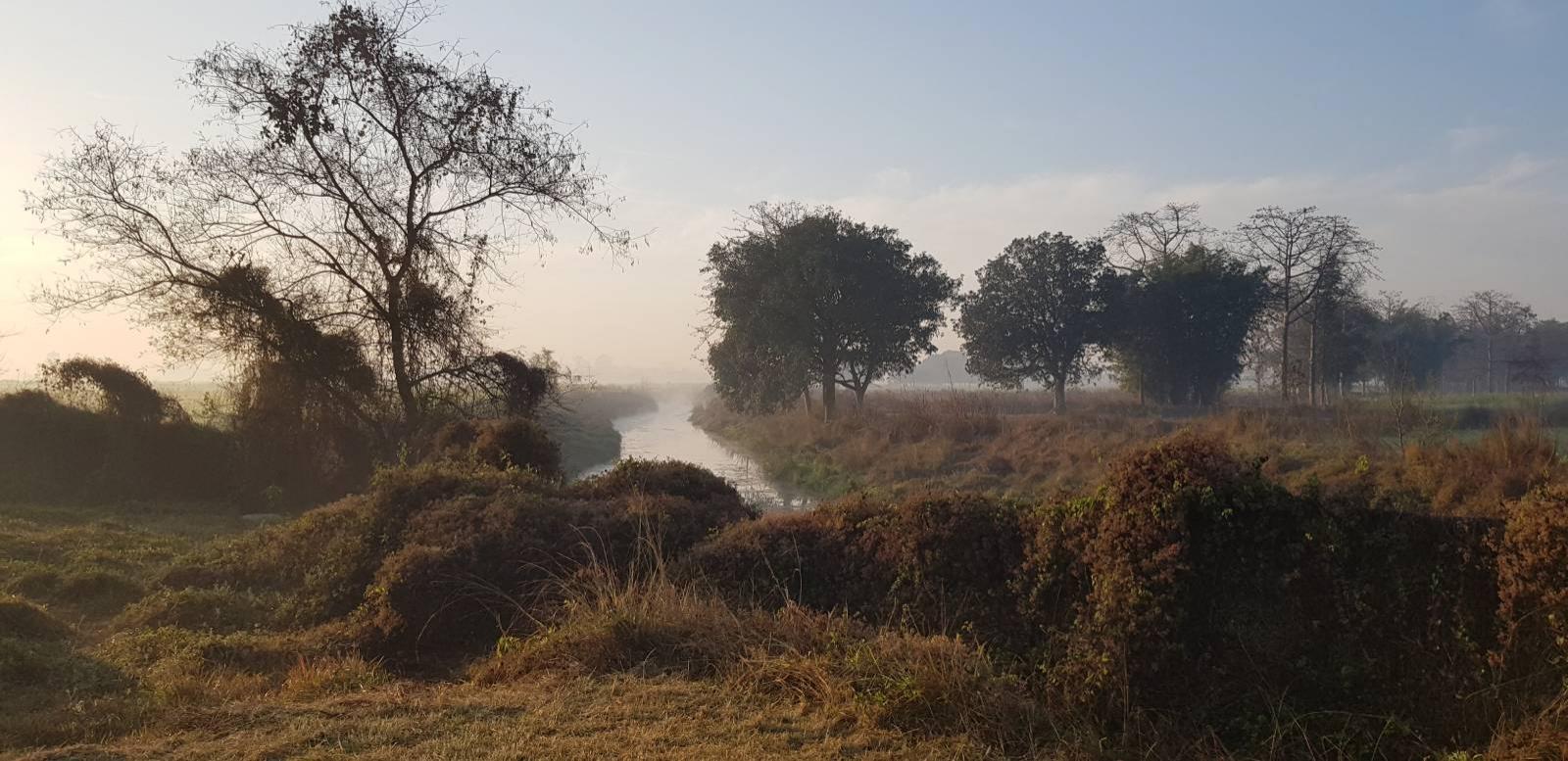
LBG's natural grounds add a dimension that purely urban heritage sites cannot: the chance to observe wildlife, explore semi-natural habitat, and understand the relationship between spiritual landscape and ecological conservation that is central to the Lumbini story.
FAQs: School Groups and Educational Stays at LBG
Can Lumbini Buddha Garden accommodate school groups? Yes — the resort has experience with educational groups and institutional visitors. Contact info@lumbinibuddhagarden.com with group size, dates, and requirements.
Are there educational guides available for school groups at Lumbini? Yes — the Lumbini Development Trust provides guides at the Sacred Garden site. LBG management can also connect groups with local naturalist guides for the birding and ecological dimension of the visit.
What is the recommended minimum age for a Lumbini school trip? Lumbini is suitable for all school ages. The Sacred Garden is accessible and well-maintained. Younger students (primary age) particularly respond to the wildlife and garden experience at LBG; older students engage more deeply with the historical and religious significance.
How far in advance should school groups book? At least 4–6 weeks in advance for group accommodation. During peak season (October–March), 8–10 weeks is recommended.
👉 Contact us for group bookings | View the Lumbini Cultural Tour
Guest contribution from a St Joseph's School student · Updated and expanded 2025