Returning to Lumbini After Six Years: Midwinter Waterbird Counts and a Base Camp Like No Other
Some places mark the beginning of something. For this conservation researcher, Lumbini Buddha Garden was where it all started — and returning six years later proved that the best field base in Nepal had only got better.
How It All Began: The First Midwinter Waterbird Count
The connection between this researcher and Lumbini Buddha Garden began at a landmark event: Nepal's first National Workshop on Midwinter Waterbird Count, held at LBG.
This was not a casual gathering. Nepal's midwinter waterbird census is a critical conservation tool — a systematic count of migratory waterbirds that provides population trend data for species ranging from common dabbling ducks to globally threatened cranes and storks.
That it was held at Lumbini Buddha Garden was no accident. The resort sits within one of Nepal's most important bird areas — a landscape where the Terai lowlands, the Sacred Garden wetlands, and the Jagdishpur Ramsar site converge within a short radius.
It was here that the researcher first connected with Dr. Hem Sagar Baral — Nepal's foremost ornithologist, a world authority on Himalayan birds, and the person behind some of the most significant bird conservation work in South Asia.
From that workshop, years of collaborative bird surveys and awareness programmes followed.
Six Years Later: What Had Changed?
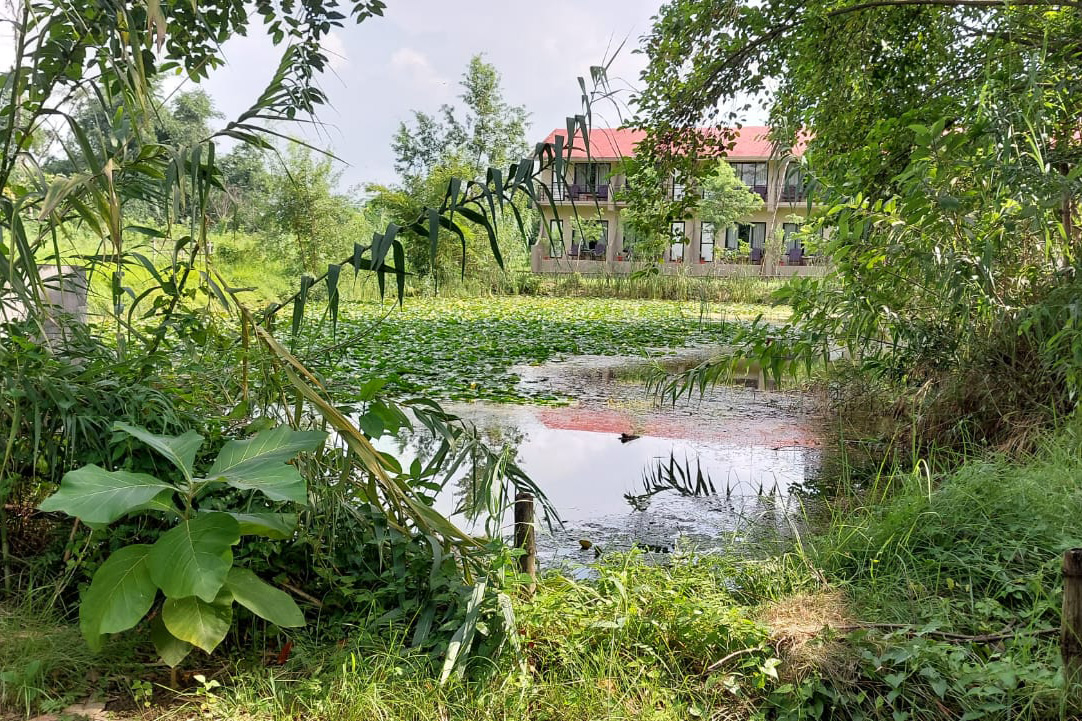
When the researcher returned to LBG after six years, the resort had grown — but wisely.
What Was New
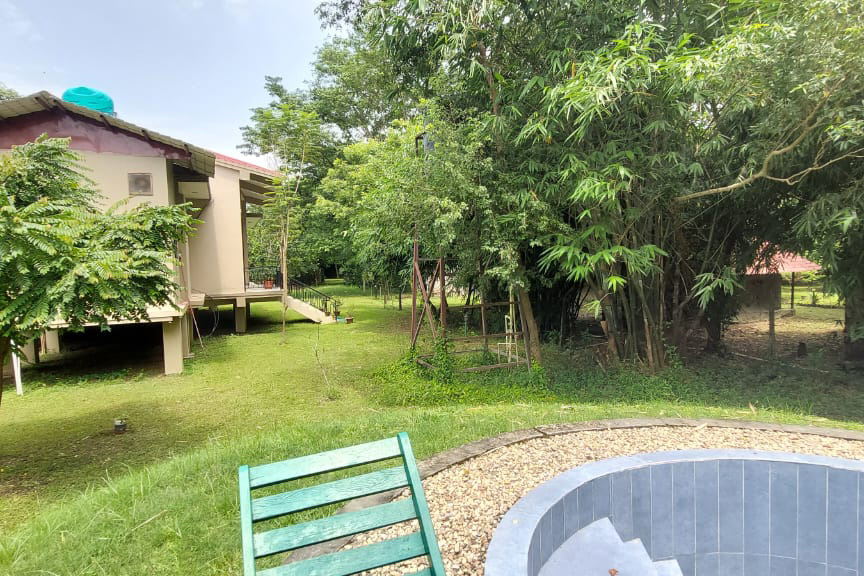
- Additional accommodation rooms (approximately a dozen new rooms added)
- Improved facilities throughout
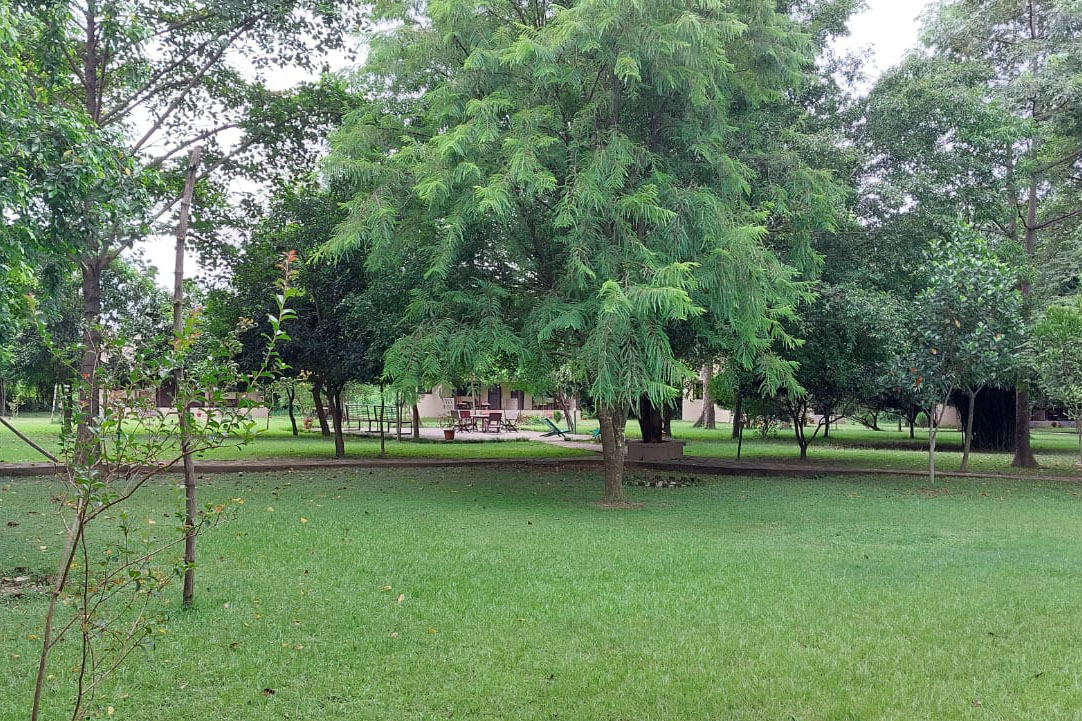
- Expanded garden plantings
What Had Not Changed — and Why It Mattered
| Quality | Status After Six Years |
|---|---|
| Nature at the centre of development | Fully preserved |
| Semi-natural garden character | Intact |
| Bird habitat within the grounds | Maintained |
| Warmth and quality of staff | As strong as ever |
| Commitment to conservation | Deepened |
"The Lodge had transformed compared to what it was then, but had still preserved many of the excellent qualities of its beginning. Nature was still in the centre of the development."
This balance — growth without the sacrifice of what makes a place worth visiting — is genuinely rare in Nepal's rapidly developing hospitality sector.
Lumbini Buddha Garden as a Field Base for Researchers
For conservation researchers, naturalists, and serious birdwatchers, the choice of base matters enormously.
LBG offers what few lodges in Nepal can match:
Practical Advantages
- Location: 30 minutes from the Lumbini Sacred Garden wetlands; 90 minutes from Jagdishpur Ramsar Reservoir
- Early starts supported: Kitchen opens early; packed breakfasts available for dawn departures
- Equipment-friendly: Space for tripods, scopes, and drying wet gear
- Local knowledge: Management team connected to Nepal's ornithological community through Dr. Hem Sagar Baral
- Group accommodation: Suitable for survey teams of varying sizes
The Ecological Value of the Grounds Themselves
Researchers do not need to leave LBG to find worthwhile subjects. The grounds function as a study site in their own right:
- 102+ bird species recorded within the property (see: Sandesh Gurung's account)
- Three IUCN-threatened vulture species recorded overhead
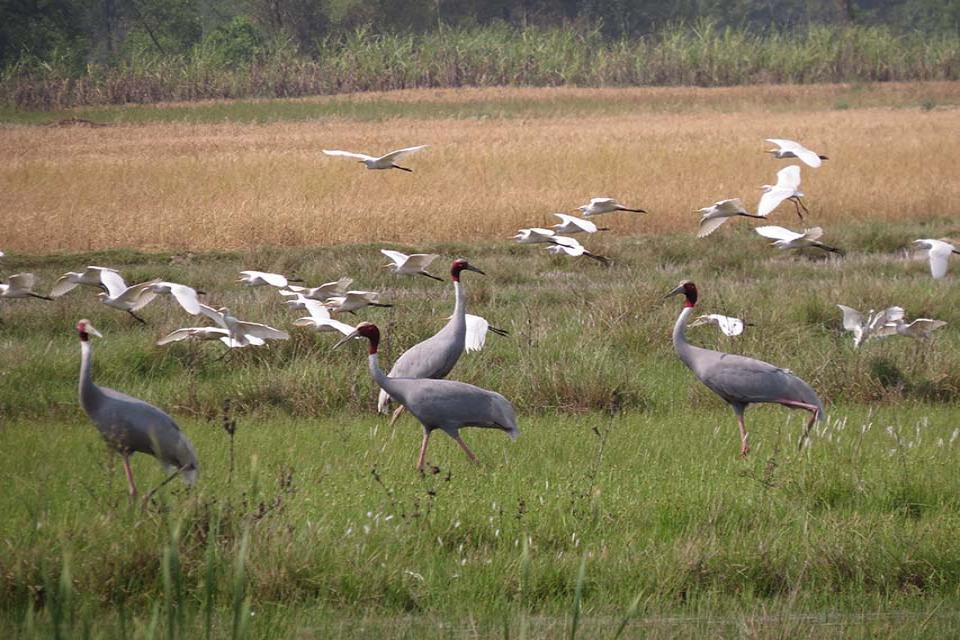
- Globally Vulnerable Sarus Crane visible from the property
- Migratory raptors including Indian Spotted Eagle using adjacent farmland
The Sacred Garden Ponds: A Birding Gem Within Reach
The researcher also highlights the Sacred Garden ponds at the Lumbini Shrine — an often-overlooked birding resource just 30 minutes from LBG.
These manmade wetlands within the Lumbini Sacred Garden are attractive, well-maintained, and productive for waterbirds year-round.
Notable species recorded here include Ferruginous Duck and Smoky Warbler — both scarce in Nepal and sought by visiting birders.
👉 Explore the Natural History Tour from LBG | Read about Lumbini's attractions
What the Conservation Community Says About LBG
LBG has quietly become a gathering point for Nepal's conservation and natural history community. The resort has hosted:
- National bird survey workshops
- Conservation awareness programmes
- Individual researchers from Bird Conservation Nepal, Himalayan Nature, and international institutions
- Birdwatching groups led by Nepal's leading ornithologists
This is not a resort that talks about nature. It is a resort that has become part of Nepal's conservation infrastructure.
FAQs: Birdwatching and Conservation Stays at LBG
Can Lumbini Buddha Garden host conservation workshops or research groups? Yes — the resort has conference facilities and has previously hosted national-level conservation workshops. Contact info@lumbinibuddhagarden.com for group accommodation and event enquiries.
Is Jagdishpur Reservoir accessible from LBG? Yes — approximately 90 minutes by road. The resort management can arrange transport and local guide connections.
What is the Midwinter Waterbird Count? It is an annual coordinated census of waterbirds conducted across Nepal in January, contributing to South Asian and global population trend databases for migratory species. LBG hosted Nepal's inaugural national workshop for this programme.
Can I stay at LBG if I'm not a birdwatcher? Of course. The wildlife and birding dimensions are a bonus, not a requirement. Many guests come for the spiritual atmosphere, proximity to the Lumbini pilgrimage sites, the food, and the peace of the gardens.
Guest post · Updated and expanded from the original 2018–2019 account · 2025