Winter in Lumbini: Why November to March Is the Best Time to Visit Lumbini Buddha Garden
Most travellers think of Nepal as a spring or autumn destination. Birdwatchers, naturalists, and those who know Lumbini well know something different: winter in the Terai is extraordinary.
Nepal's Post-Monsoon and Winter Season
Nepal's monsoon runs from June to September. From October onwards, the weather shifts dramatically:
| Season | Months | Character |
|---|---|---|
| Post-monsoon | October–November | Clear skies, green landscape, excellent visibility |
| Winter | December–February | Cool days, cold nights, peak migratory wildlife |
| Pre-monsoon spring | March–May | Warming, flowering trees, peak resident breeding birds |
For Lumbini Buddha Garden, the October to March period represents peak season for both wildlife activity and guest experience.
What Changes at LBG in Winter
The post-monsoon period is consistently LBG's busiest time — and for good reason.
Garden Character
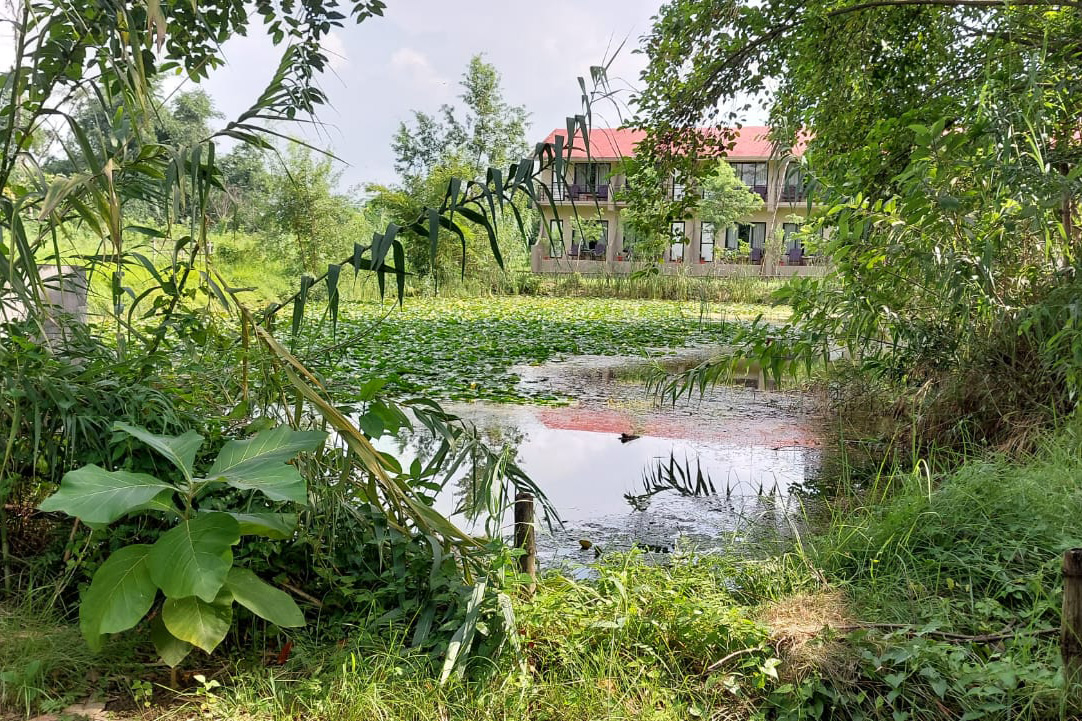
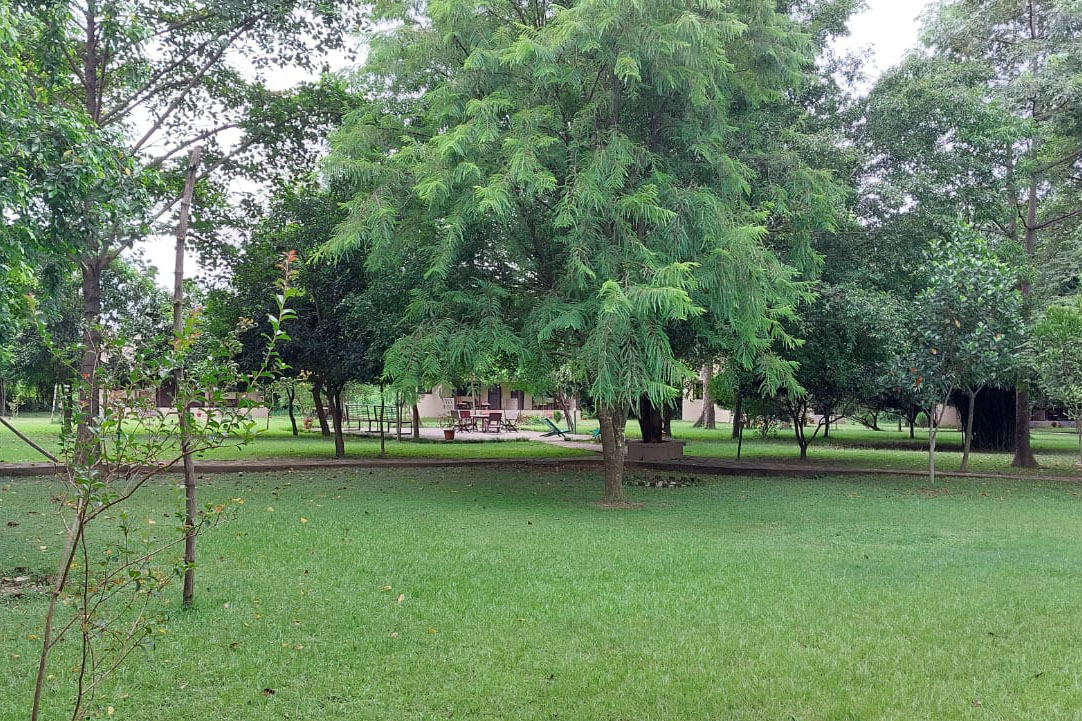
The semi-natural garden changes dramatically after the monsoon:
- Monsoon-washed greenery remains, but without the humidity
- Flowering plants continue through October and November, feeding sunbirds and nectar-drinking insects
- Tree canopies are at their fullest, providing cover for warbler species
- Morning mists occasionally drift across the property, creating atmospheric conditions for photography
Migratory Arrivals
From October onwards, the first winter migrants arrive at LBG:
- Warblers — Hume's, Greenish, and Smoky Warblers appear in the garden trees
- Rubythroat — the Siberian Rubythroat, one of the most sought-after winter migrants in Nepal, makes its annual appearance in LBG's scrub
- Raptors — Indian Spotted Eagle, various vulture species, and migratory eagles begin appearing over the farmland
The Winter Migratory Birds of Lumbini
Key Winter Species at LBG and Surrounding Areas
| Species | IUCN Status | Where to See at LBG | Peak Months |
|---|---|---|---|
| Siberian Rubythroat | Least Concern | Garden scrub | Nov–Feb |
| Indian Spotted Eagle | Vulnerable | Farmland margins | Oct–Mar |
| White-rumped Vulture | Critically Endangered | Thermal soaring overhead | Oct–Mar |
| Egyptian Vulture | Endangered | Thermal soaring | Oct–Mar |
| Himalayan Vulture | Near Threatened | Thermal soaring | Oct–Mar |
| Ferruginous Duck | Near Threatened | Sacred Garden ponds | Nov–Feb |
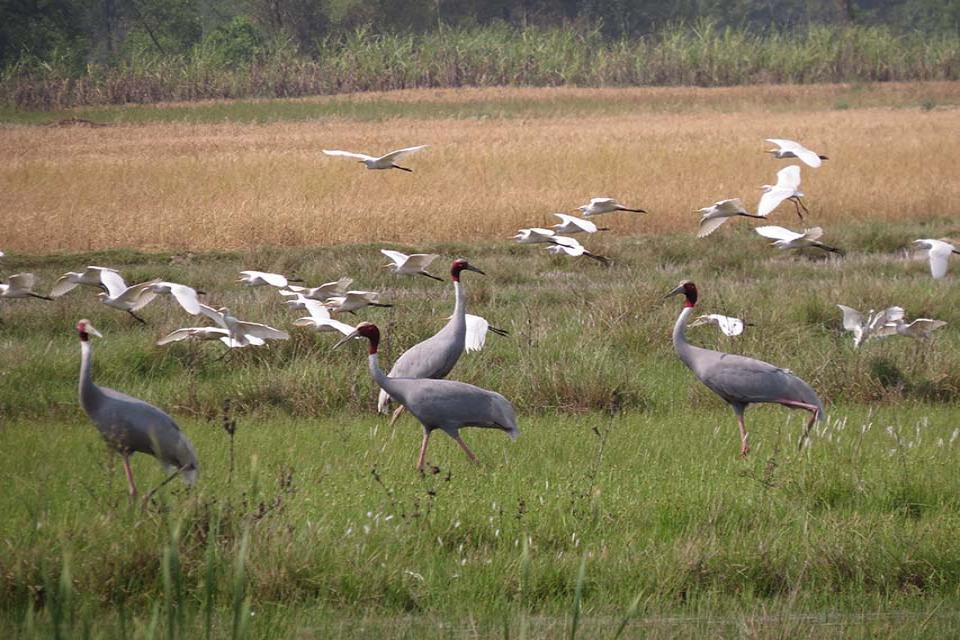
| Sarus Crane | Vulnerable | Farmland near resort | Year-round |
| Eastern Imperial Eagle | Vulnerable | Jagdishpur farmland | Nov–Feb |
At Jagdishpur Reservoir (90 min from LBG)
Winter transforms Jagdishpur — a Ramsar-designated wetland — into one of Nepal's outstanding waterbird sites. Highlights include:
- Up to 14 duck species simultaneously
- Falcated Duck (globally Near-threatened)
- Red-crested Pochard in the hundreds
- Pied Harrier and Booted Eagle
- Red-naped Ibis flocks
👉 See the Natural History Tour
Wellness and Rest in the Winter Garden
Winter at LBG is not only for birdwatchers. For any traveller seeking restoration:
The Winter Light
Nepal's winter light — particularly in the Terai — is exceptional. Long golden hours in the morning and afternoon. Clear sky days that stretch for weeks without interruption.
The Pace
The post-monsoon season brings a natural slowing-down. The rush of monsoon activity in the garden settles into quieter rhythms. Mornings are still, cool, and full of birdsong. Afternoons have a warmth that invites extended sitting in the garden.
Meditation and Mindfulness
LBG's proximity to the birthplace of the Buddha — and the meditative atmosphere of the gardens themselves — makes it an excellent environment for mindfulness practice. Several guests use extended winter stays for personal retreat, combining morning wildlife walks with afternoon visits to the Lumbini Sacred Garden.
What's New at LBG This Season
LBG is committed to continuous improvement without compromising the nature-first character of the resort:
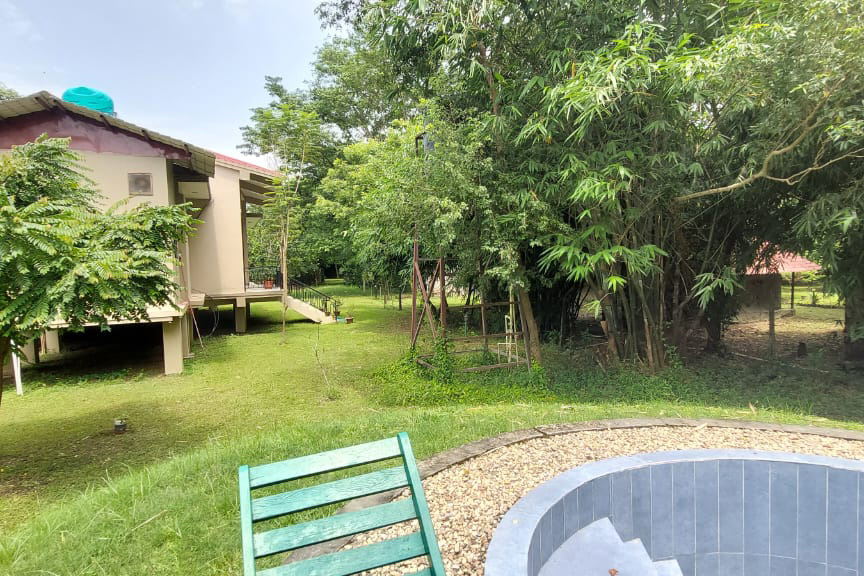
- Expanded garden plantings — new species added to increase bird habitat value
- Improved outdoor dining areas — better positioned for garden views
- Enhanced early morning walk trails through the property
- Continuing organic farm expansion under Chef Kabi's management
Planning Your Winter Visit
Recommended Stay Length
- 2 nights: Enough for the resort experience and one day trip to Lumbini Sacred Sites
- 3–4 nights: Adds Jagdishpur Reservoir day trip and full garden exploration
- 5–7 nights: For serious birdwatchers or those seeking a genuine retreat
Packing for a Winter Stay
- Light down jacket or fleece for mornings and evenings (temperatures drop to 10–15°C at night)
- Binoculars — essential, even a basic pair
- Walking shoes — the garden paths and river bank are informal trails
- Sun protection for afternoon excursions
👉 Book your winter stay — Cottage Room | Book your winter stay — Deluxe Room
FAQs: Winter at Lumbini Buddha Garden
Is Lumbini cold in winter? The Terai lowlands are Nepal's warmest winter region. Days are typically sunny and pleasant (18–25°C); nights and early mornings are cool (8–15°C). It is comfortable with light layers — nothing like the cold of Kathmandu or the mountains.
Are the Lumbini Sacred Sites open in winter? Yes — the Maya Devi Temple and Lumbini Sacred Garden are open year-round. The cooler winter temperatures actually make for a more comfortable visit than the hot summer months.
Is LBG busy in winter? Should I book in advance? The October–March period is LBG's peak season. Booking in advance — especially for weekends and the Dashain/Tihar festival period — is recommended.
Can I see migratory raptors from the resort without going on a tour? Yes. White-rumped Vultures, Himalayan Vultures, and eagles regularly soar over the resort grounds, particularly in the warm afternoon hours when thermals develop. No transport required.
Posted by LBG Management · Updated November 2025